3D Product Configurators: The Complete Guide for Brands in 2026.
Overview
What Is a 3D Product Configurator?
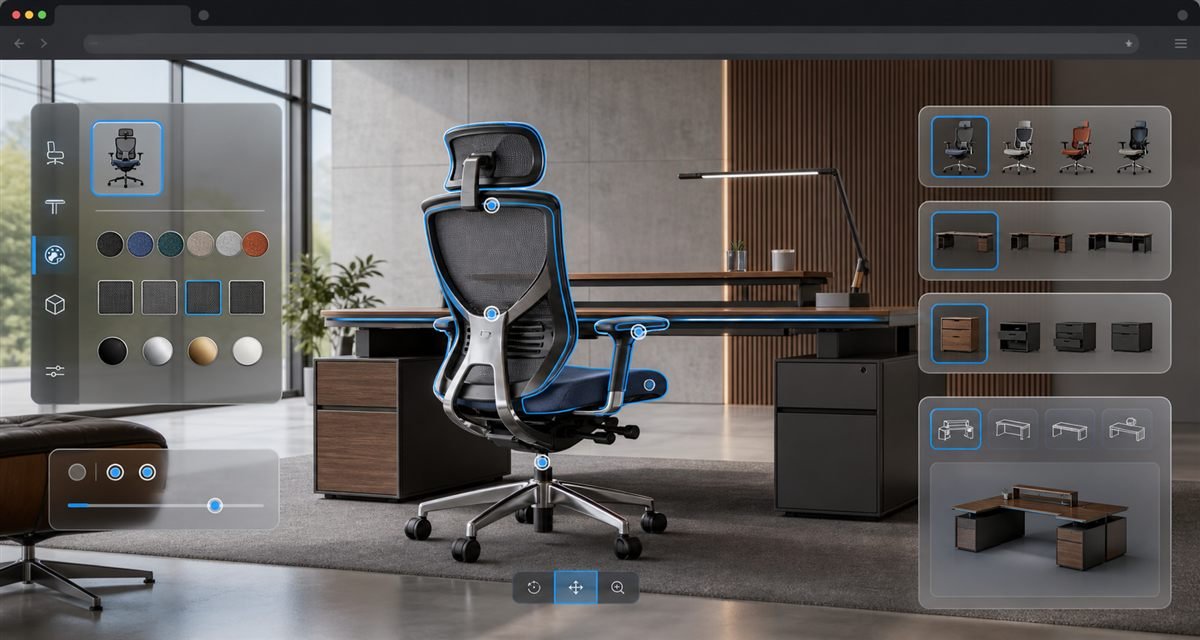
A 3D product configurator is an interactive digital experience that lets customers customize a product in real time. Instead of viewing static photos, buyers can rotate the model, change colors, materials, sizes, components, accessories, and finishes, then see the updated product instantly in the browser.
For ecommerce, B2B sales, manufacturing, furniture, automotive, fashion, real estate, and industrial brands, configurators turn product exploration into a guided buying journey. They help customers understand options faster, feel confident about their choices, and move closer to inquiry or checkout.
Why Configurators Matter for SEO and Sales in 2026
Search behavior is becoming more visual and intent-driven. Buyers do not only search for product names; they search for ways to compare, personalize, preview, and validate a purchase before speaking to sales. A well-optimized 3D configurator page can target high-intent keywords such as custom product configurator, 3D product configurator, web configurator, ecommerce configurator, and interactive product customization.
From a conversion perspective, configurators reduce uncertainty. When users can build the exact version they want, they spend more time with the product, understand pricing or specification choices more clearly, and are more likely to request a quote, book a demo, or complete a purchase.
Core Benefits of 3D Product Configurators
- Higher engagement: Interactive product pages keep users exploring longer than static galleries.
- Better qualified leads: Sales teams receive clearer customer preferences, selected options, and configuration details.
- Reduced returns: Customers can preview product variations before buying, which improves expectation accuracy.
- Faster sales conversations: B2B buyers can understand complex products without waiting for manual renderings or PDFs.
- Stronger brand perception: A polished configurator signals innovation, product confidence, and premium customer experience.
Must-Have Features in a High-Performing Configurator
The best configurators are not just visually impressive; they are easy to use. A strong configurator should include fast-loading 3D models, intuitive option controls, mobile-friendly interaction, clear call-to-action buttons, accurate material rendering, quote or checkout integration, and analytics tracking.
For advanced projects, brands can add augmented reality previews, saved configurations, CRM integration, dynamic pricing, product rules, guided recommendations, and shareable configuration links for sales teams.
Industries That Benefit Most
3D configurators are especially effective for products with visual variation, technical options, or premium purchase decisions. Furniture brands can let customers change upholstery and finishes. Automotive brands can showcase trims, wheels, interiors, and colors. Fashion brands can personalize apparel and accessories. Industrial manufacturers can simplify complex machine options for distributors and enterprise buyers.
How Much Does a 3D Configurator Cost?
The cost depends on product complexity, number of variations, 3D model quality, platform integration, AR requirements, and backend logic. A simple web configurator with limited options may be relatively lean, while an enterprise-grade configurator with pricing rules, ecommerce integration, and CRM workflows requires deeper planning and development.
The best approach is to start with the user journey: what should the buyer customize, what decision should they make, and what action should happen after configuration? Once that is clear, the technical scope becomes much easier to estimate.
SEO Checklist for Configurator Pages
- Use a keyword-focused title tag and meta description.
- Add explanatory copy around the interactive experience so search engines understand the page.
- Include compressed 3D assets and optimized images for fast Core Web Vitals.
- Use descriptive headings for use cases, features, pricing, and FAQs.
- Add internal links from related blog posts, service pages, and case studies.
- Track configurator events such as option changes, saves, quote clicks, and completed purchases.
Why Work With Elipse Studio?
Elipse Studio helps brands create interactive 3D product configurators that combine high-quality visualization, smooth web performance, and conversion-focused UX. From product strategy and 3D asset creation to WebGL development, AR previews, and ecommerce integration, the goal is simple: make your product easier to explore, easier to understand, and easier to buy.
Final Thoughts
In 2026, configurators are no longer a luxury feature for only the biggest brands. They are becoming a practical growth tool for companies that sell customizable, technical, premium, or visually detailed products. A well-built 3D product configurator can improve customer confidence, support sales teams, strengthen SEO, and create a more memorable online buying experience.
Latest Work
Contact Us
Let’s build something remarkable.
Share your project details and we’ll craft an experience your audience will remember.
Or reach out directly for a quicker response