Where the SaaS Promise Breaks Down
Cylindo, Threekit and Zakeke are excellent for mid-market retailers with standard geometry. For enterprise brands with bespoke finishes and complex products, six limits show up fast.
By Elipse Studio | November 2026 · Interactive Experiences & Digital Sales Infrastructure

For a luxury brand going online, a SaaS configurator feels perfect: upload your SKUs, embed a snippet, and you're live — no engineering team, no six-figure budget.
Twelve months later, a £12,000 Chesterfield sofa renders like a mid-market piece, material swaps wait in a 72-hour CDN queue, AR is "on the roadmap", and the CPQ answer is a CSV export. That's not a lack of ambition — it's the architectural ceiling of turnkey SaaS.

Live in days on SaaS · Six ceilings within a year
Cylindo, Threekit and Zakeke are excellent for mid-market retailers with standard geometry. For enterprise brands with bespoke finishes and complex products, six limits show up fast.
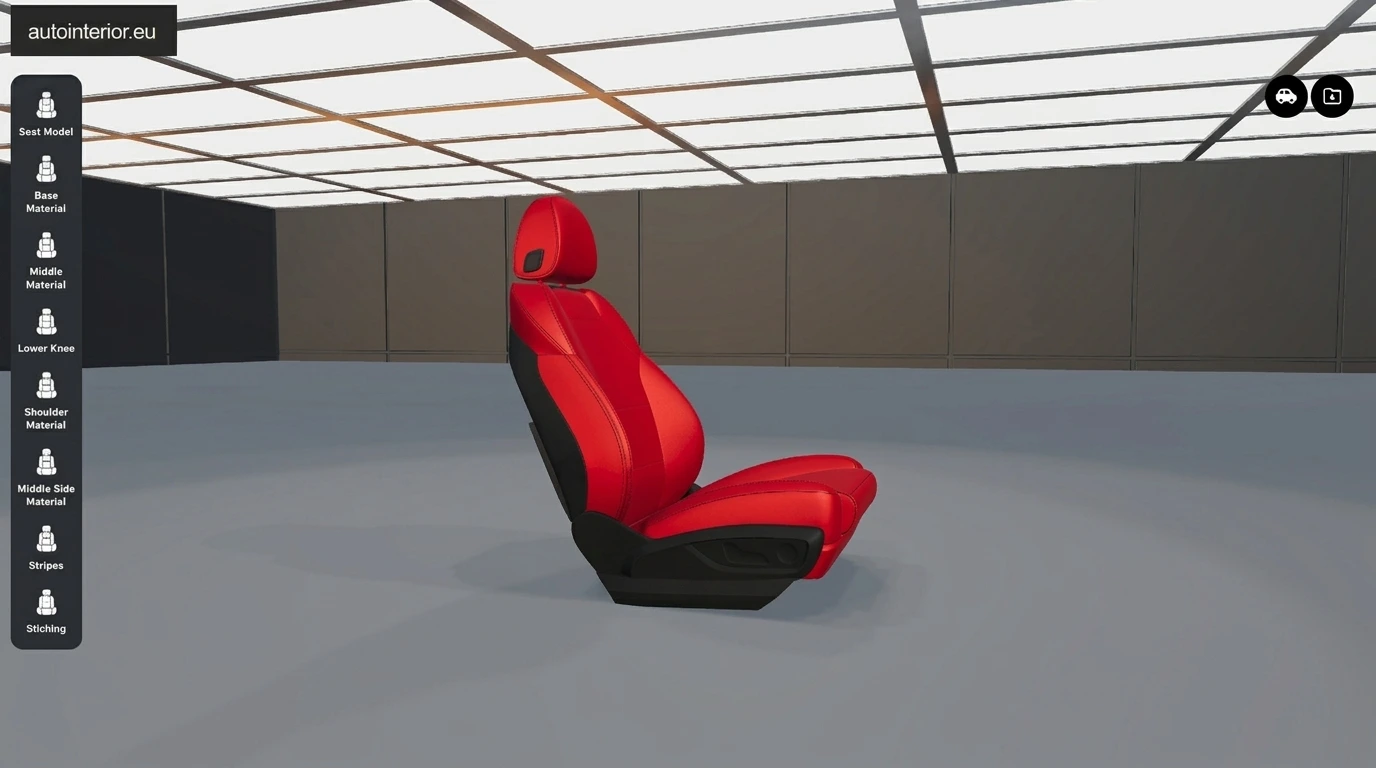
SaaS platforms serve pre-shot 2K/4K JPGs. Static frames can't react to light or show the detail of hand-stitched leather, burl walnut or brushed brass — and for an £8,000 dining table sold on its timber grain, that undersells the product.
Every material is a real-time PBR shader in WebGL or Unreal Engine 5 Pixel Streaming. Velvet catches the light as the piece rotates. The finish behaves like the material, not a photo of it.

Real-time PBR: materials that respond to light
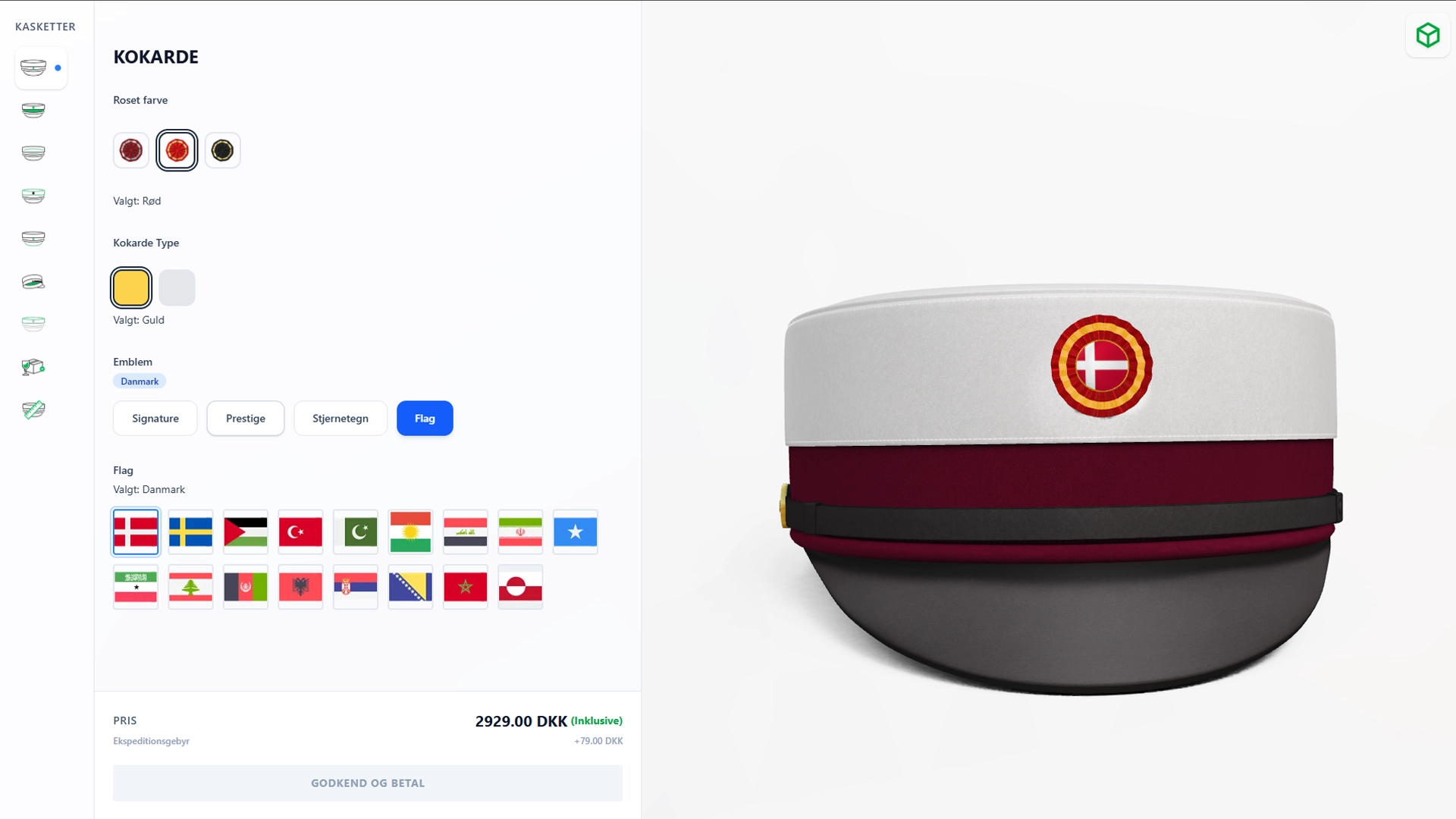
SaaS swaps finishes on fixed models. A bespoke kitchen-island buyer wants exact dimensions — and to see doors and drawers recalculate:
Length
Depth
Overhang
Our parametric engine lets dimensions drive the 3D model in real time, accurate to 10mm, with no extra pre-rendered assets. A spatial planning tool, not a swatch picker.

Dimensions drive the model in real time
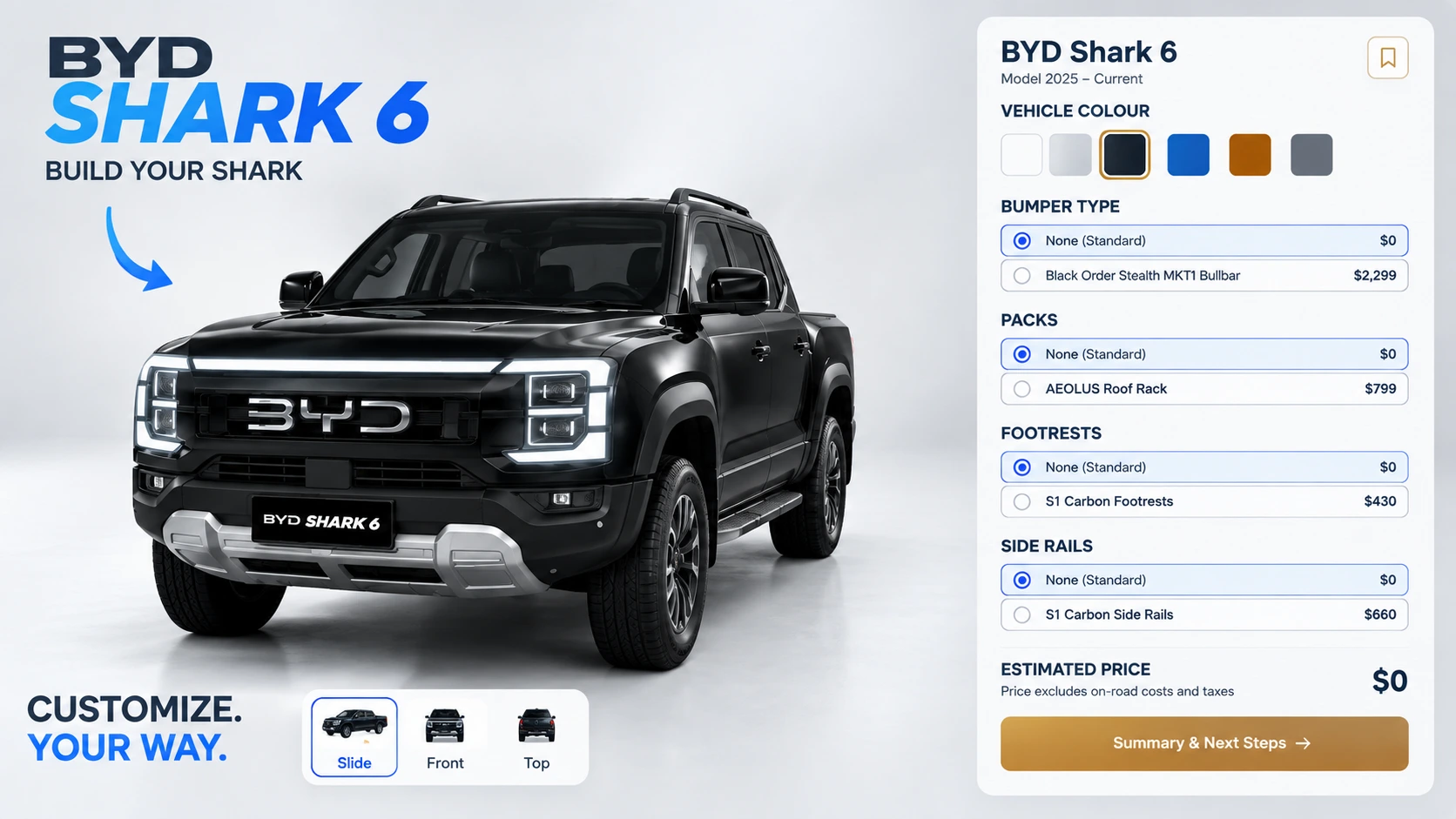
"Connect to Shopify" just picks a pre-defined variant. A £45,000 bespoke wardrobe isn't a variant — its price comes from a rules engine and must trigger an ERP order and a quote. SaaS does variant selection, not CPQ.

A configured order that flows straight into ERP and quoting
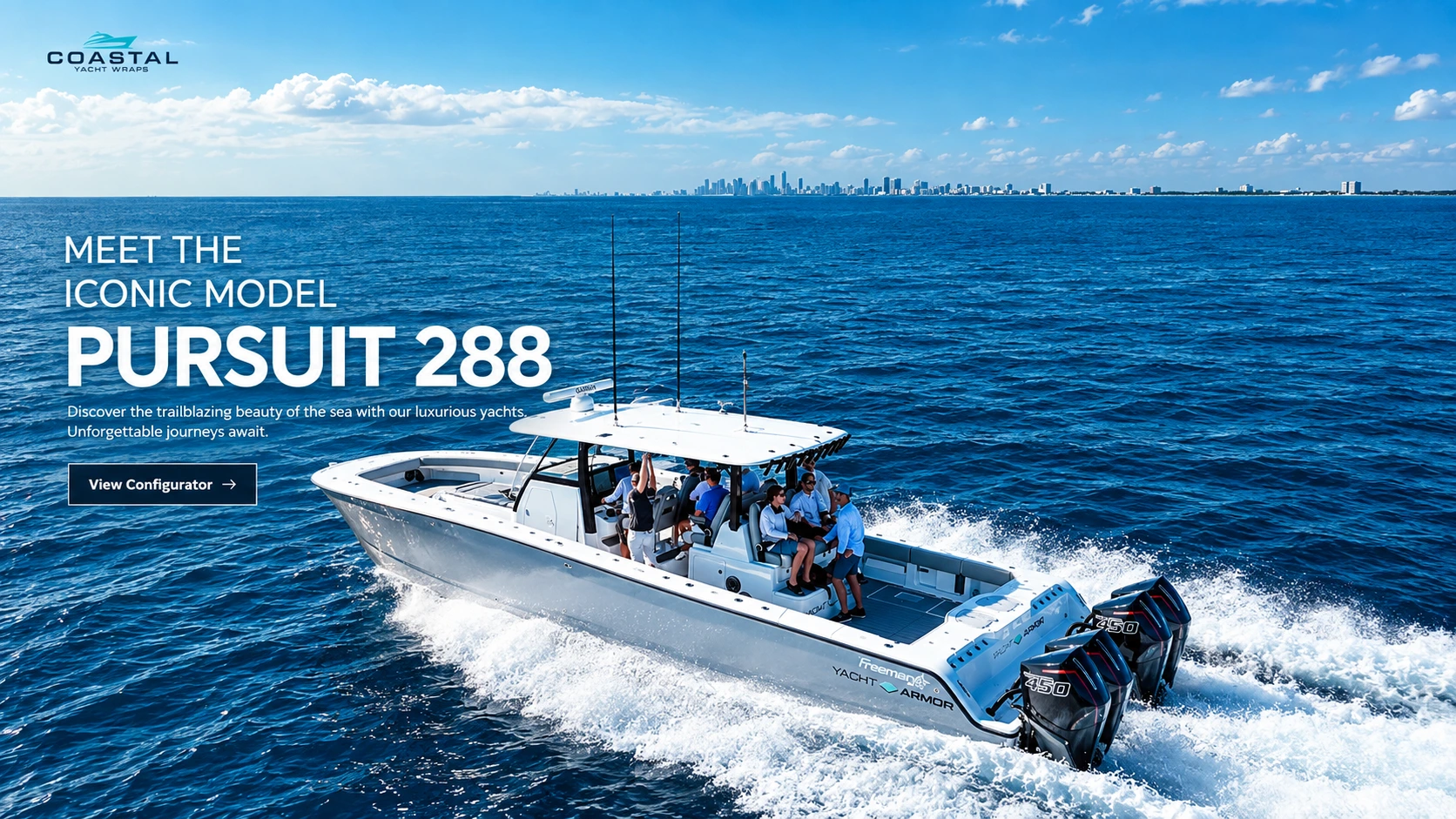
SaaS stays mobile-friendly by lowering quality on every device. A custom build uses Draco compression, KTX2 textures and device-aware LOD so each device gets the best quality it can handle.

The best version each device can render
Full fidelity — Pixel Streaming or WebGL
Compressed WebGL
WebGL thumbnail + AR Quick Look
SaaS keeps your optimised assets in its CDN, often in proprietary formats that don't migrate cleanly.
Custom: open GLB/glTF, FBX and PBR libraries, owned outright by the brand.
Per-session billing grows with your success — 50,000 sessions in a launch week means a 50,000-session bill.
Custom: a fixed infrastructure cost. After payback (typically 18–36 months), extra sessions are effectively free.
SaaS still makes sense while you validate 3D commerce. Consider custom when two or more of these apply:
Your team is regularly frustrated that the configurator undersells the product.
Bespoke dimensions or complex rules the SaaS tool can't model accurately.
CSV exports, manual data entry or custom middleware to reach your ERP or CRM.
Custom infrastructure would be cost-neutral within 24 months.
Competitors ship AR, room visualisation or CPQ while you wait 18+ months.
Custom doesn't always mean a multi-year, seven-figure project:
Includes asset development for an average product range. Existing high-quality 3D assets can cut timelines by 30–40%.
Conversion Uplift
Furniture & architectural hardware clients
Shorter Sales Cycle
Real estate & architectural clients
Cost Crossover
Custom becomes cheaper than SaaS
We're not a configurator platform — we're a studio that builds bespoke configurators, virtual tours, AR and digital showrooms. We start with a technical audit, then scope the smallest solution that removes your constraint:

Audit first, then the minimum viable solution
Our discovery process starts with a technical review: we assess your current platform, pinpoint what's limiting you, and show what custom development would cost and deliver.
Bespoke 3D configurators, virtual tours, and interactive spatial experiences for luxury brands, automotive clients, and architectural developers.