How 3D Configurators Increase Ecommerce Sales and Qualified Leads.
Overview
Why Static Product Pages Are No Longer Enough
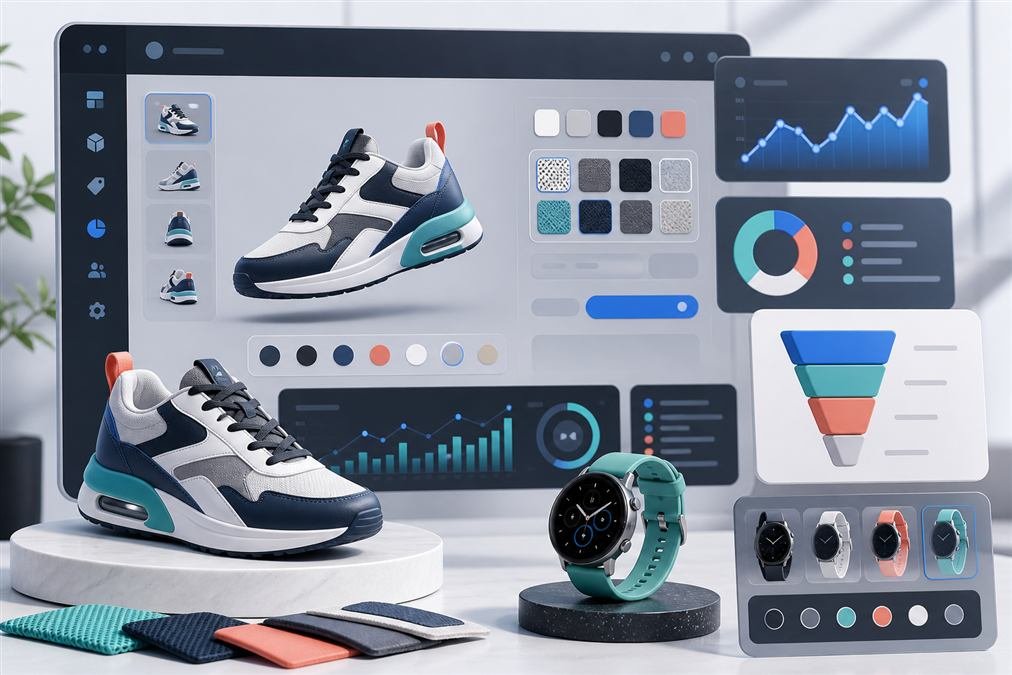
Modern buyers want to understand a product before they commit. Static images, long specification tables, and generic product descriptions often leave customers with unanswered questions: What will this option look like? Which material fits my space? How does this version compare with another? A 3D configurator answers these questions instantly.
Instead of asking users to imagine the final product, an interactive configurator lets them build it. That shift is powerful for ecommerce brands because it moves the buyer from passive browsing to active decision-making.
3D Configurators Create Higher Purchase Intent
When a customer changes colors, materials, components, sizes, finishes, or accessories, they are not just viewing a product. They are personalizing it. That personal involvement increases ownership, confidence, and purchase intent.
Better Engagement Means Better SEO Signals
Search engines reward pages that satisfy user intent. A well-designed configurator page can support SEO by increasing time on page, improving interaction depth, and giving visitors a richer reason to stay. Supporting copy around the configurator can target keywords such as 3D configurator, ecommerce product configurator, custom product builder, interactive product visualization, and web configurator development.
How Configurators Improve Lead Quality
A traditional contact form usually tells a sales team very little. A configurator can capture selected options, preferred materials, product dimensions, budget range, and custom requirements before the first conversation begins.
- For ecommerce: users can add their configured product to cart or request a quote.
- For B2B sales: prospects can submit a detailed configuration for a faster proposal.
- For manufacturers: distributors can visualize product variants without manual rendering support.
- For premium brands: customers can explore customization while staying inside a polished branded experience.
Important Features That Drive Conversions
A configurator should be beautiful, but beauty alone is not enough. It needs to be fast, clear, and connected to the sales journey. The best-performing configurators include mobile-friendly controls, optimized 3D models, clear product rules, realistic materials, simple navigation, and strong calls to action.
Advanced features can include dynamic pricing, AR preview, saved configurations, shareable links, CRM integration, analytics tracking, and ecommerce checkout connection. These features turn the configurator from a visual tool into a measurable revenue system.
What Brands Should Track
Useful configurator metrics include option clicks, completed configurations, saved designs, quote requests, add-to-cart events, time spent interacting, most popular materials, and drop-off points. This data can guide product strategy, merchandising, advertising, and sales follow-up.
Common Mistakes to Avoid
- Using heavy 3D assets that slow down the page.
- Adding too many options without clear grouping.
- Making mobile controls difficult to use.
- Launching without analytics events.
- Hiding the quote, demo, or checkout action below the experience.
- Using unrealistic materials that create buyer disappointment.
How Elipse Studio Helps
Elipse Studio builds interactive 3D configurators that balance visual quality, performance, and conversion strategy. The process can include product analysis, 3D modeling, material setup, WebGL development, AR integration, ecommerce connection, and analytics planning.
Final Takeaway
A 3D configurator is one of the strongest ways to upgrade an ecommerce product page in 2026. It gives customers control, helps sales teams understand intent, improves product clarity, and creates a memorable buying experience that static content cannot match.
Latest Work
Contact Us
Let’s build something remarkable.
Share your project details and we’ll craft an experience your audience will remember.
Or reach out directly for a quicker response